Advocate for Traffic Challan in Dwarka Court: Your Complete Guide to Fighting and Resolving Traffic Cases.
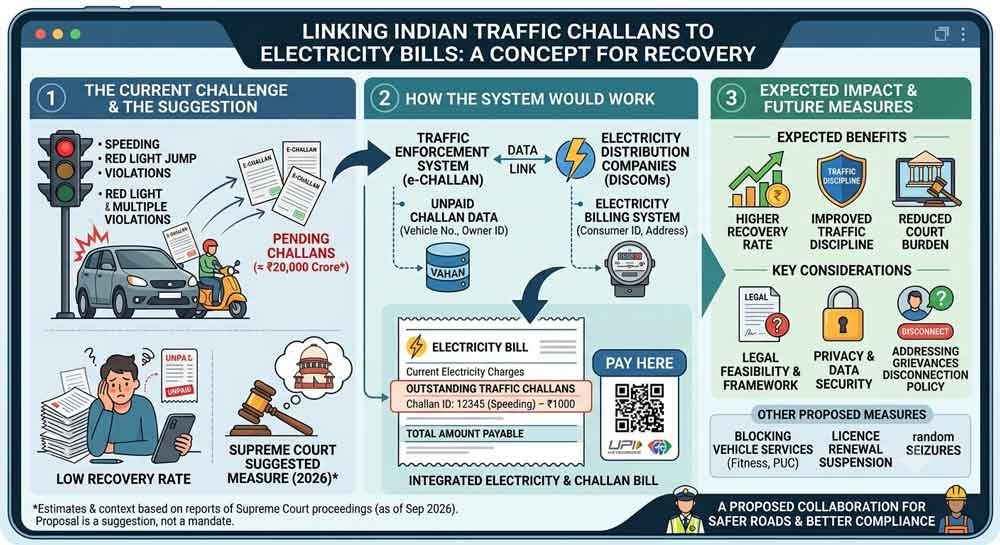
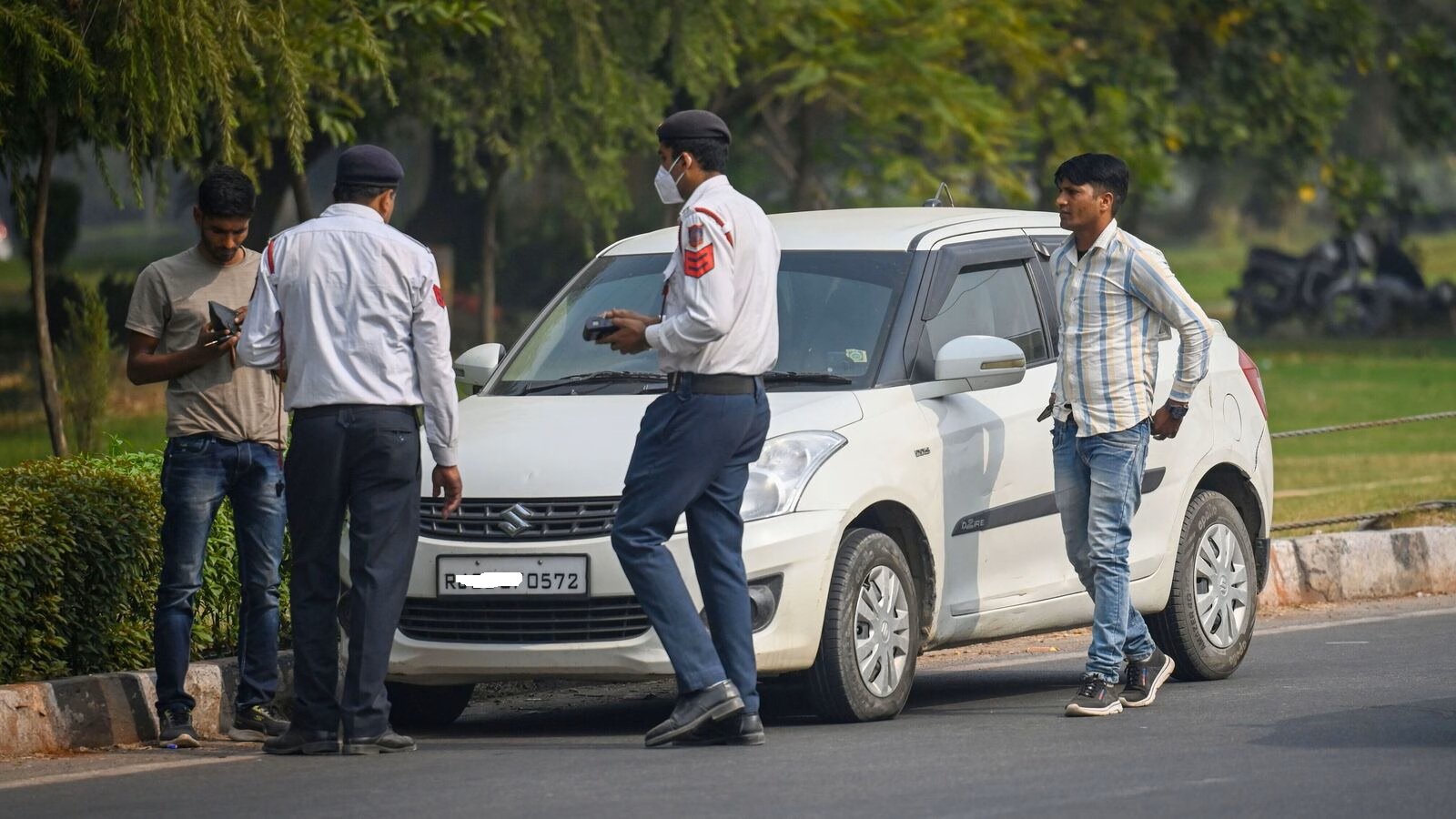
Delhi's roads are among the busiest in the country, and with that comes strict traffic enforcement. AI-powered cameras now track violations across major junctions, and every offence is logged as an e-challan. In many traffic challan cases, though, a challan isn't just a fine — it becomes a court matter that requires proper legal representation.
If you've received a traffic challan or traffic challan notice that has landed in court, or if you're unsure how to respond to one, we are experienced in traffic challan cases in Delhi and can save you time, money, and unnecessary legal trouble.
Common Traffic Violations That Lead to Challans.
Pollution Challan
Challan of ₹ 10,000/- and Higher— Driving without a valid PUCC is treated seriously under Delhi's environmental enforcement drive. PUCC violations can result in a fine of ₹10,000/- and more for first time, and may impound of vehicle if found 2nd time.
Over-Speeding
Challan of ₹ 2,000/- — Delhi's speed limits vary by road type and vehicle category — Camera-based systems monitor multiple lanes simultaneously, and exceeding the limit typically results in an automatic challan. We provide complete legal assistance in submitting the Over Speed Challan in every Distric Court in Delhi.
Jumping a Red Light
Challan of ₹ 500/- and Higher — Red Light Violation Detection (RLVD) cameras at major intersections automatically capture the offence and generate an e-challan. In many cases, especially repeat offences, this violation is compounded in court rather than settled on the spot, since it falls under provisions dealing with dangerous driving.
Driving Without Valid Documents
Not carrying a valid driving licence, registration certificate (RC), insurance, or Pollution Under Control Certificate (PUCC) can result in a challan even if no other violation occurred.
Dangerous or Rash Driving
Challan of ₹ 15,000/- and Higher — This includes reckless overtaking, weaving through lanes, ignoring pedestrian right of way, or driving in a manner that endangers other road users. Because rash driving can involve criminal liability under the Motor Vehicles Act.
How Traffic Challan Cases in Dwarka Court Are Handled by Us.
When a Camera-based challan, challan is not compoundable at the police level or the violator chooses to contest it, the case is listed before the Traffic Magistrate at Dwarka Court. Here's how we manage the process for our clients:
- Document Verification: We help clients gather and verify the required documents (licence, RC, insurance, PUCC) to strengthen their position before the court.
- Negotiating Fine Reduction: In eligible cases, we work toward getting the matter compounded or the penalty reduced through appropriate legal channels, including Lok Adalat settlements where applicable.
- Handling Repeat Offences: For clients facing licence suspension risk due to multiple challans, we build a defence strategy that addresses the specific violations and mitigating circumstances.
Why Legal Assistance Is Important for Traffic Challan in Dwarka Court.
Many people assume a traffic challan is a minor inconvenience that can be resolved by simply paying online. However, several situations make professional legal assistance genuinely important:
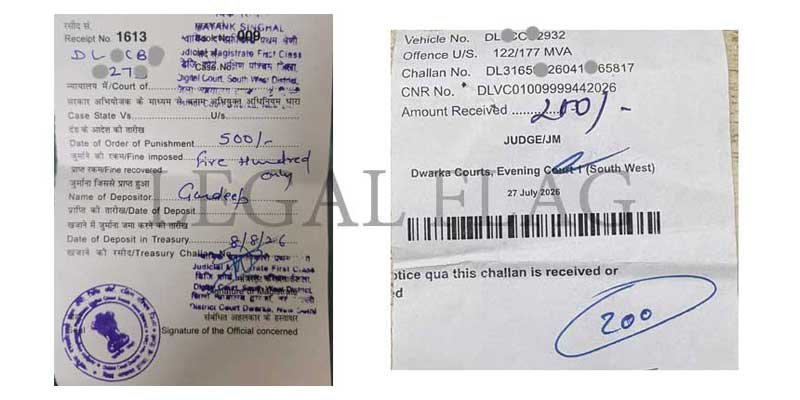
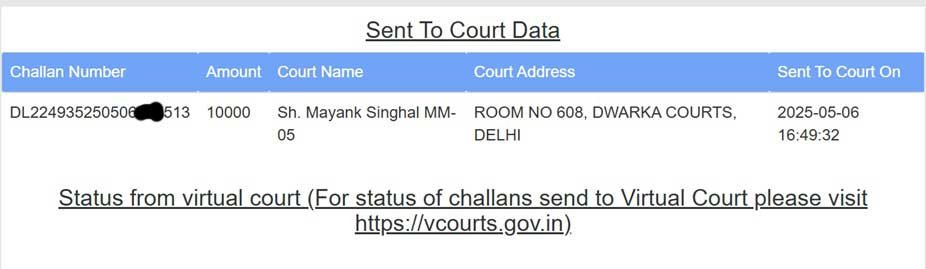
- Some challans cannot be settled online. Many challan are not sattled in Lok Adalat, Evening Court often marked "court-mandatory," meaning you must appear before a Magistrate.
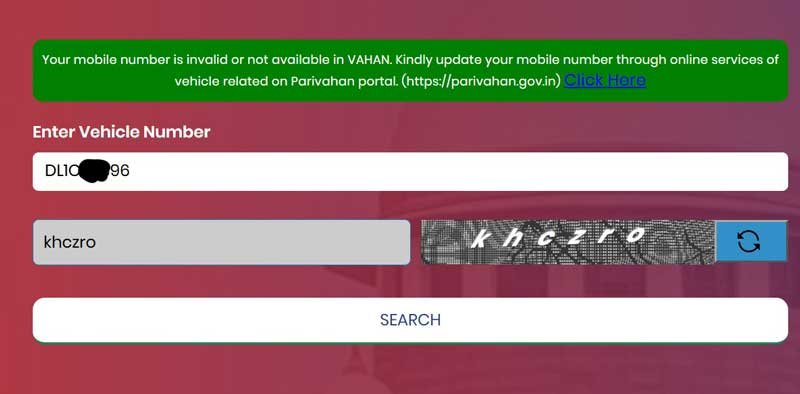
- No OTP Received. We can help you in Chaning the Mobile Number and generating settled issued challan.
- Court procedure can be confusing. Without guidance, many people miss hearing dates, submit incomplete documentation, or fail to present mitigating facts that could reduce their penalty.
Experienced Advocate for Traffic Challan Cases in Dwarka Court
If you've received a traffic challan in Delhi — whether for signal jumping, over-speeding, mobile phone use, missing documents, rash driving, or a pollution violation — and the matter has reached Dwarka Court, our team is here to help.
We bring hands-on experience with Delhi's traffic laws, established familiarity with Dwarka Court procedures, and a client-first approach to resolving challans quickly and correctly. From your first consultation to the final resolution of your case, we handle the legal groundwork so you can get back on the road with peace of mind.
Facing a traffic challan case? Get in touch with our office for a consultation and let our experienced advocate guide you through the process at Dwarka Court.
Frequently Asked Questions (FAQ) on Traffic Challan Cases in Dwarka Court
Do I need a lawyer for Traffic Challan Cases in Dwarka Court?
You need a lawyer if the Traffic Challans can not be setteled in Lok Adalat or can not paid directly.
Can a wrong Traffic Challan be challenged in Dwarka Court?
Yes. If the evidence shows that the traffic challan was wrongly issued, it can be contested before the court.
How Much Time Does a Traffic Challan Case Take in Dwarka Court?
Normal Traffic Challns can be setteled in One Day, but few challans may take 1-2 weeks.
Can a Lawyer Represent Me in a Traffic Challan Case in Dwarka Court?
Yes. In traffic challan cases before Dwarka Court, we can can appear on your behalf and assist you with the legal process and resolution of the challan.