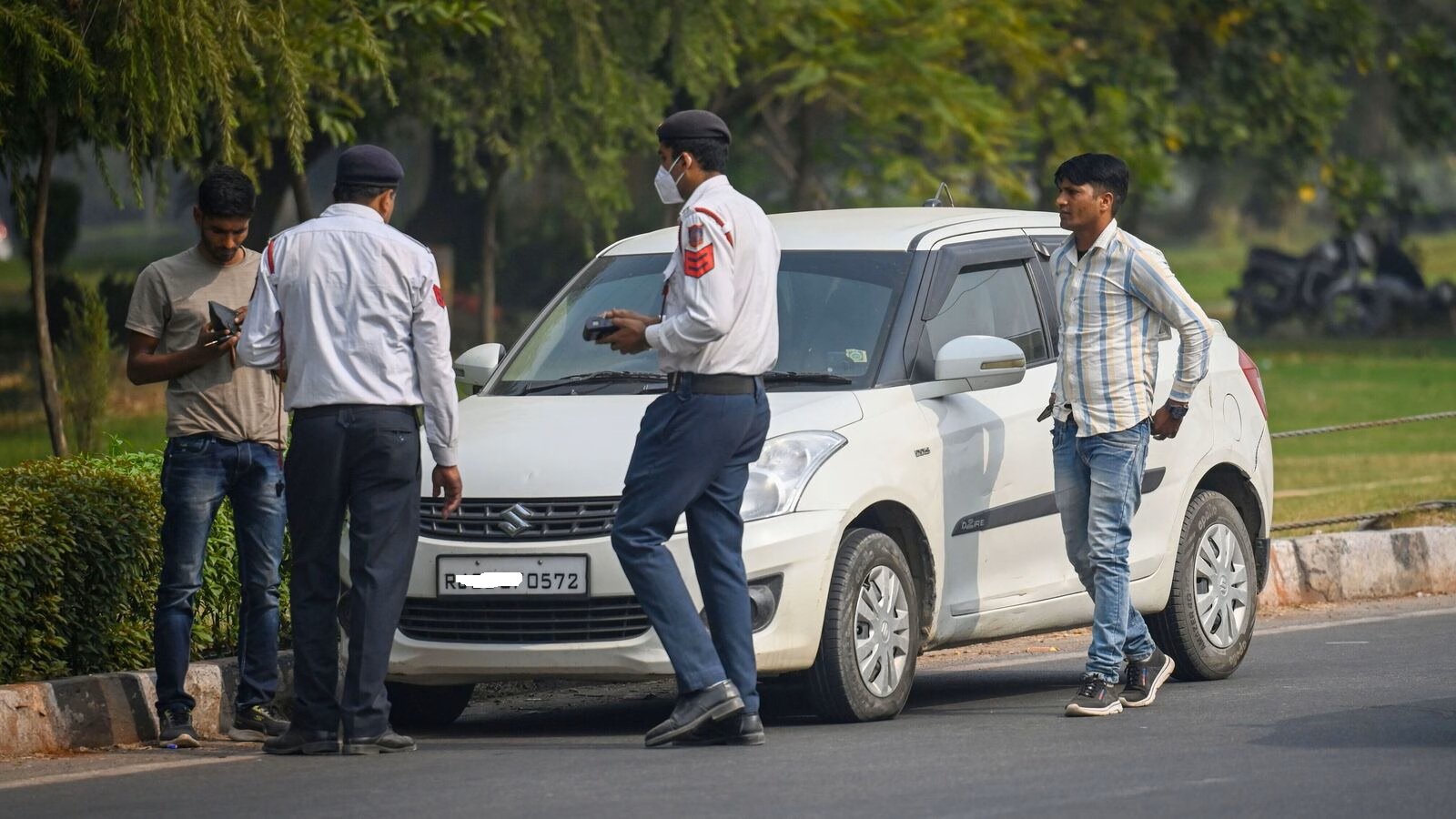
If you own an old vehicle that's approaching the government-mandated age limit — 15 years for petrol vehicles or 10 years for diesel vehicles in Delhi-NCR, as per Supreme Court and National Green Tribunal orders — you may have heard a comforting rumour: "Once my vehicle's registration expires, all my pending challans will automatically get wiped out."
It's a nice story. It's also completely false — and believing it can end up costing you the full challan amount, with no discount at all.
The Myth: "No Vehicle, No Challan"
The logic sounds tempting on the surface. If a vehicle is officially declared an End-of-Life Vehicle (ELV) and its registration is cancelled, some owners assume the government has no reason to keep chasing them for old fines. After all, the vehicle "doesn't exist" anymore — so why would the challan?
But traffic challans aren't tied to whether your vehicle is currently on the road. They're a legal record of a violation that already happened, issued against your vehicle's registration number and, often, against you as the registered owner. Expiry of the vehicle doesn't erase the offence — it just closes off your easiest ways of dealing with it.
Why Owners Genuinely Need PUC and Insurance — Even for Old Challans
Here's the part most people don't realize until it's too late.
When you contest or seek a waiver on pending challans — especially in Lok Adalats or traffic courts, where many pending cases are eventually settled — you're usually expected to show that your paperwork was in order, or at least explain your compliance history. Two documents matter enormously here:
- A valid Pollution Under Control (PUC) certificate
- A valid third-party or comprehensive insurance policy
Courts and traffic authorities often look more favourably on cases where the owner can demonstrate the vehicle was otherwise compliant, and in many pollution-related enforcement drives, a fine of Rs 10,000 is imposed on motorists for not having a valid PUC certificate, with challans processed through the courts. Missing PUC or insurance at the time of the offence makes it much harder to argue for any reduction or waiver.
The Trap: You Can't Renew What No Longer Legally Exists
This is where the myth falls apart completely.
Once a vehicle crosses its mandated age limit and is declared unfit to ply, its registration certificate (RC) is effectively invalidated. And here's the catch — you cannot renew insurance or get a fresh PUC certificate for a vehicle whose RC is no longer valid. Insurers and PUC testing centres require an active, valid registration to issue or renew these documents in the first place.
This isn't a recent tightening either — it reflects a policy direction that's been building for years. The Supreme Court has directed that insurance policies of vehicles cannot be renewed unless the owner provides a valid pollution-under-control certificate to the insurance company. Combine that with an expired registration, and you're stuck: no RC renewal, no PUC, no insurance — a closed loop with no way out.
So when you eventually go to court or the traffic authority to get your old challans reduced or waived, you have nothing to show. No valid PUC. No valid insurance. No proof of compliance. And courts have little basis to offer you any relief.
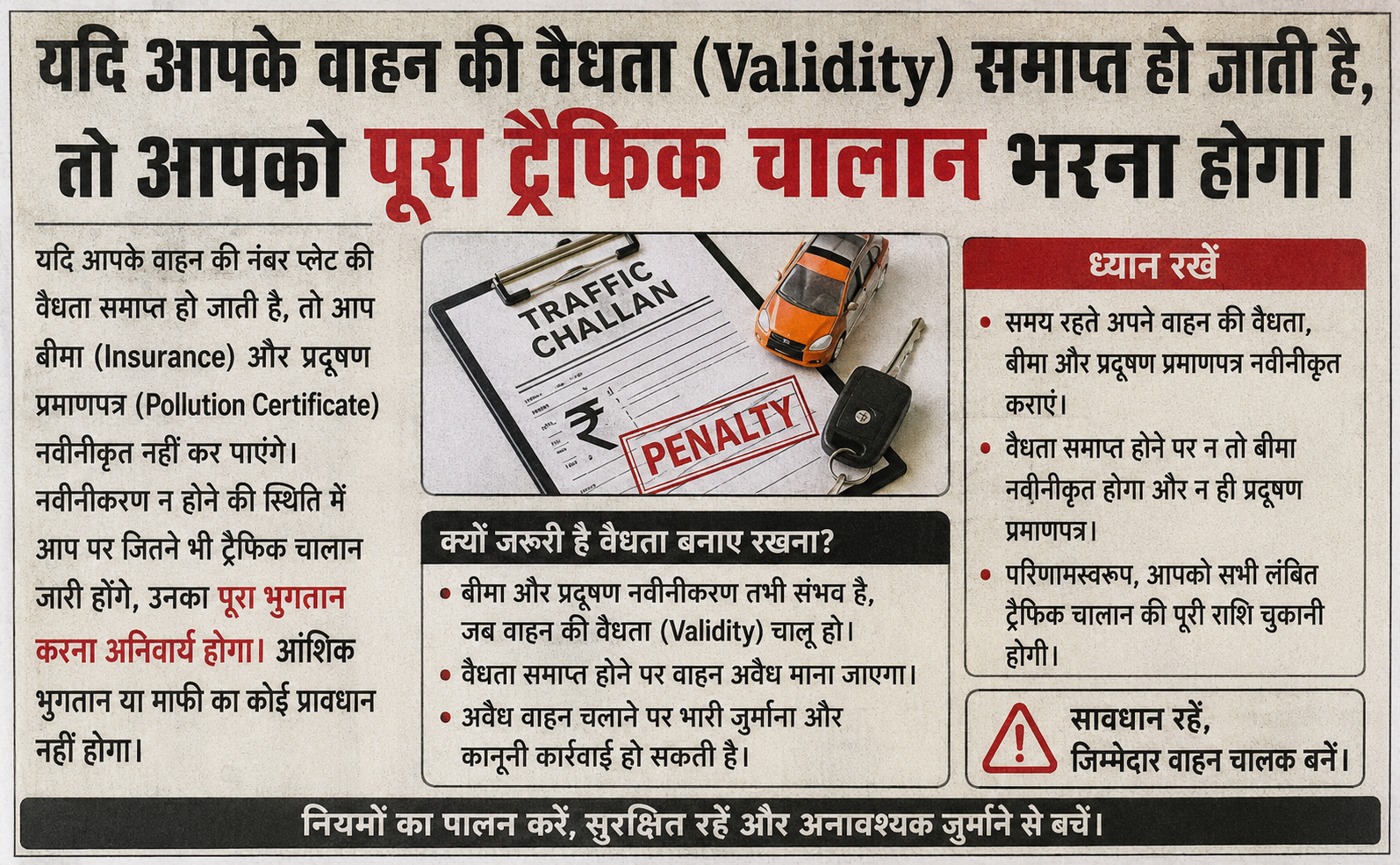
The Real Outcome: Full Payment, No Waiver
The result is straightforward and unforgiving: you end up paying the complete challan amount, with none of the reductions or settlements that owners with valid documents are sometimes able to negotiate.
This isn't a small oversight either. Traffic authorities are increasingly serious about this issue. In Delhi alone, 36,225 PUCC challans were issued in a recent year, and 91 percent of them remained unpaid — a backlog that authorities are actively trying to clear, not forget about. Meanwhile, enforcement itself has been ramping up: Delhi's Transport Department has flagged pending pollution challans as a growing enforcement challenge and pushed for the judiciary to create better systems for clearing them rather than reducing penalties.
On top of that, enforcement against overage vehicles specifically is increasing. Delhi Police seized nearly 3,908 end-of-life petrol and diesel vehicles in a recent year, up sharply from 528 the year before — a sign that "letting the registration lapse and forgetting about it" is not a strategy that flies under the radar anymore.
What You Should Actually Do
If you own a vehicle that's nearing its mandated expiry age and you have pending challans:
- Don't wait for the deadline. Clear pending challans while your vehicle is still validly registered, insured, and PUC-compliant — this is your window to negotiate or seek waivers with proper documentation.
- Keep your insurance and PUC current until the very end. Once the RC lapses, you lose the ability to renew either.
- If your vehicle has already expired, consult a lawyer or visit the relevant traffic court in person to understand your options. Don't assume silence from the authorities means the matter is closed — challans and dues typically stay on record against you as the owner.
- Consider scrapping through an authorized Registered Vehicle Scrapping Facility (RVSF) if your vehicle has genuinely reached end-of-life, but settle outstanding dues first wherever possible.
The Bottom Line
An expired vehicle doesn't mean an expired debt. If anything, letting your registration lapse without clearing your challans closes the very doors — insurance and PUC renewal — that could have helped you get a waiver or reduction. The safest, cheapest path is always to deal with challans before your documents expire, not after.
This article is for general informational purposes only and does not constitute legal advice. Rules and enforcement practices can vary by state — for guidance on a specific case, contact us.