SC Proposes Linking Unpaid Traffic Challans to Electricity Bills: What It Means for Vehicle Owners.
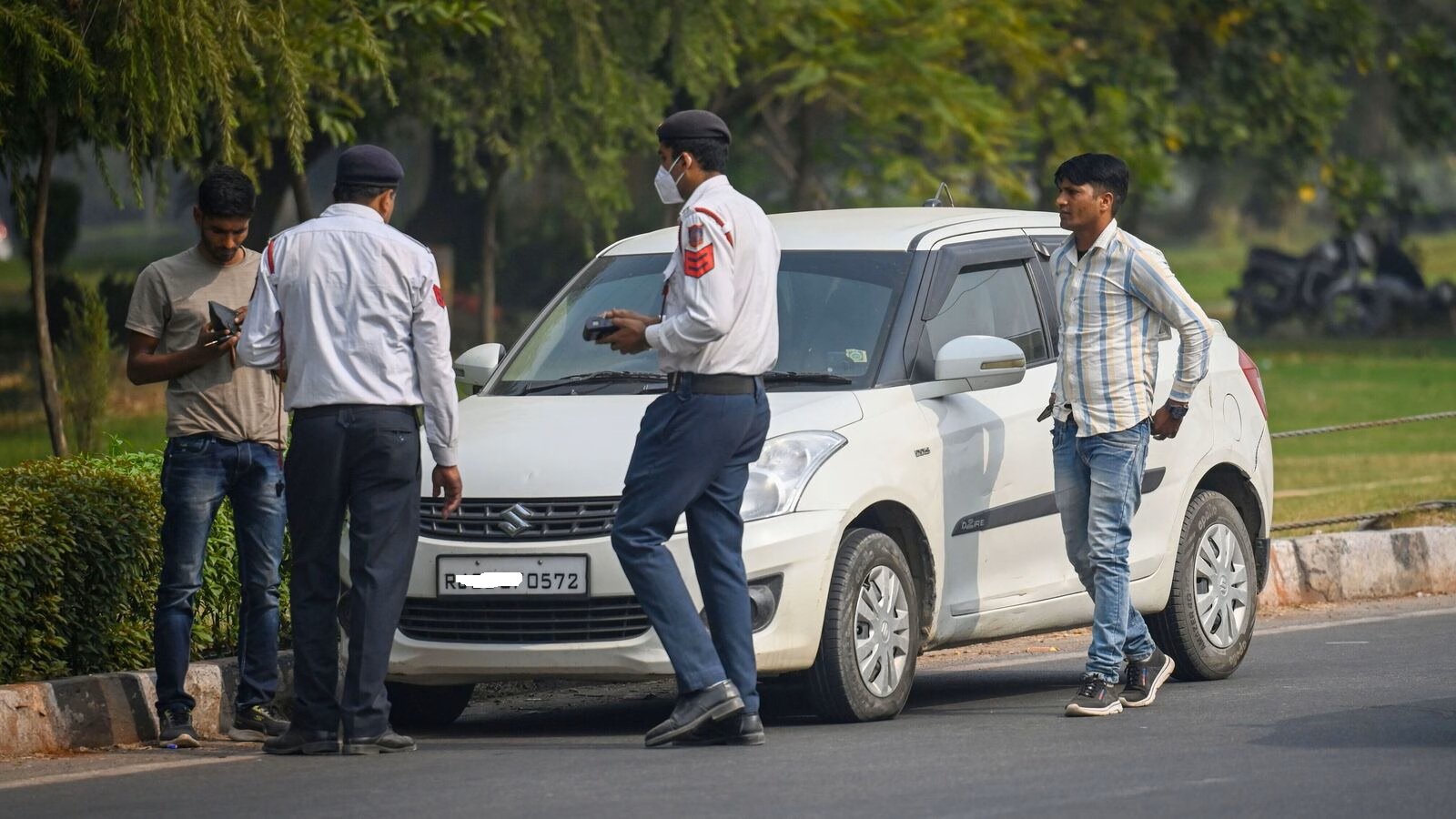
Traffic challan enforcement in India is about to get a lot more serious — and a lot more personal. On September 28, 2026, the Supreme Court, hearing a long-running road safety case, floated a strikingly practical idea: tie unpaid e-challan fines to electricity bills, so that defaulters risk having their power disconnected if they don't clear their traffic dues.
Why the Court Is Stepping In
A Bench of Justice J.B. Pardiwala and Justice K.V. Viswanathan was hearing a plea on the electronic enforcement of traffic violations when the discussion turned to a familiar problem: fines being issued in bulk but rarely collected. Justice Pardiwala noted that simply issuing thousands or lakhs of e-challans isn't enough — the real question is how those fines actually get recovered.
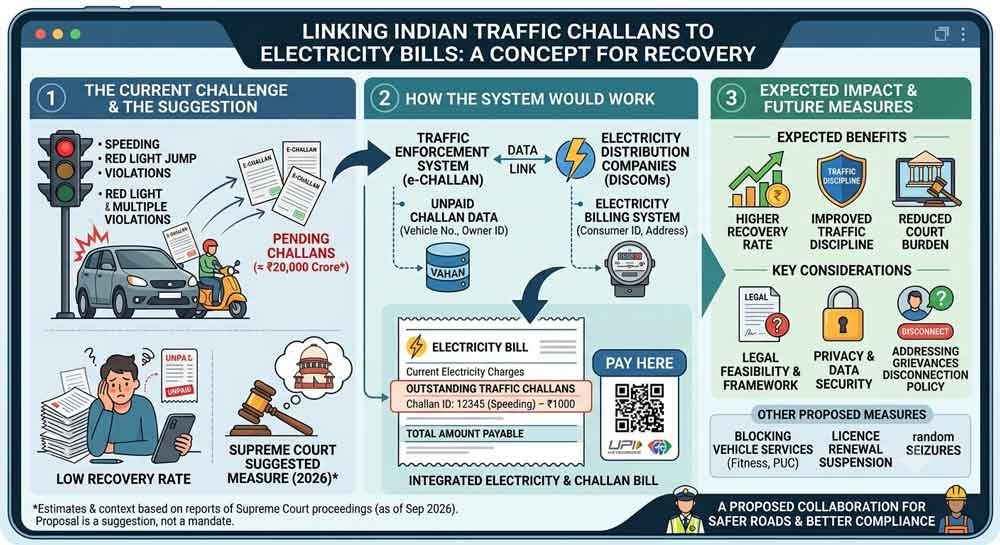
The numbers explain the urgency. States and Union Territories currently have around ₹45,000 crore in outstanding e-challan dues, of which only about ₹25,000 crore has been recovered so far — leaving roughly ₹20,000 crore still uncollected nationwide.
The Electricity Bill Proposal
The Court's suggestion was blunt and direct: link unpaid challans to electricity bills, since people already have a strong incentive to pay those on time to avoid having their power cut off, and pointed out that in India, practical solutions like this are sometimes what's needed to get results.
It's a workaround born of necessity — an acknowledgment that conventional enforcement (fines, notices, portal listings) hasn't moved the needle enough on its own.
Other Measures on the Table
The electricity-bill linkage was just one of several proposals the Court discussed for tightening enforcement around unpaid challans. Others included:
- Blocking registration services — preventing renewal of registration certificates, issuing duplicate RCs, or transferring ownership until outstanding challans are cleared
- Parivahan portal blacklisting — flagging vehicles with pending dues and blocking ownership transfers through the central portal
- Withholding fitness and PUC certificates for non-compliant vehicles
- Blocking driving licence renewals, and even suspending licences already in force
- Random roadside checks — with the Court suggesting that vehicles found to have unpaid challans during spot checks could be impounded on the spot
Justice Pardiwala emphasized that these measures need to translate into real enforcement on the ground, not just remain directions on paper.
Navbharat Times News - 29 September 2026
The Bigger Picture: A 14-Year-Old Case
This isn't a standalone order — it's the latest development in a public interest litigation petition on road safety that traces back to 2012, filed by Coimbatore-based orthopaedic surgeon Dr. S. Rajaseekaran. Over more than a decade, the case has produced a string of directions on road safety enforcement, including mandatory vehicle-tracking devices and panic buttons in public service vehicles (May 2026) and rules on pedestrian and non-motorised vehicle safety (October 2025).
Notably, the Bench itself questioned whether nearly 14 years of directions have actually changed anything at ground level, and asked amicus curiae Senior Advocate Gaurav Agarwal to prepare a status chart tracking every direction issued, the implementation timeline, and where things currently stand. The tone suggests the Court's patience with non-implementation is wearing thin — and that stronger enforcement action could follow if states don't show real progress.
What This Means for Vehicle Owners
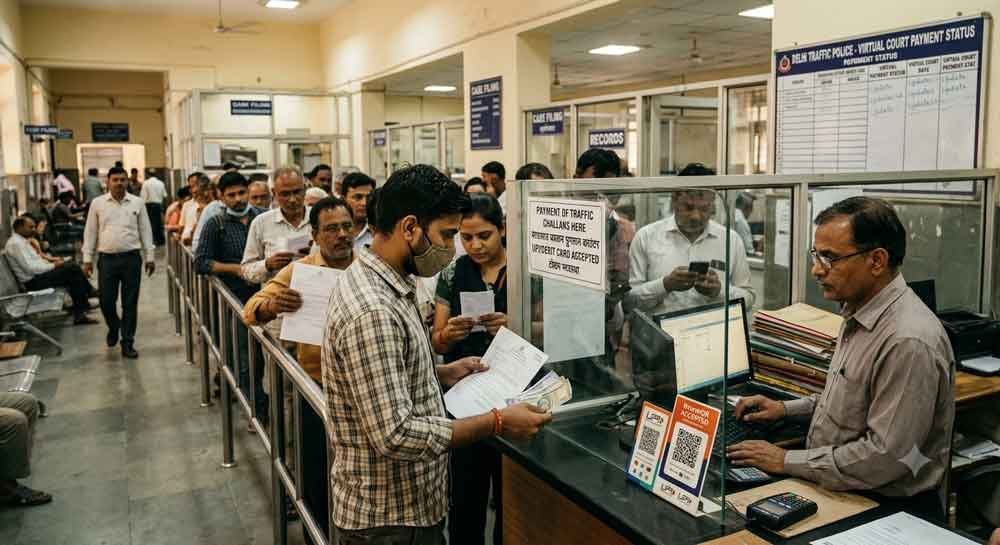
If even a version of this proposal is adopted by states, the days of letting e-challans pile up unpaid may be numbered. An unpaid traffic fine could soon carry consequences well beyond a late fee — from a disconnected power line to a blocked registration renewal or an impounded vehicle at a routine checkpoint.
This is precisely the kind of regulatory shift where getting ahead of the curve matters. At LegalFlag, we track developments like this closely so our clients aren't caught off guard when enforcement mechanisms tighten — whether that means resolving a backlog of pending challans before new consequences attach, or advising on compliance as states begin rolling out these measures.
For vehicle owners and fleet operators alike, this is a good moment to clear outstanding dues rather than wait and see how implementation unfolds. Clients often tell us that LegalFlag's real value isn't just fighting a challan in court — it's flagging exactly when the regulatory ground is shifting, so they can act before a routine fine turns into a bigger headache.
This article is for general informational purposes and does not constitute legal advice. If you're dealing with pending traffic challans or want guidance on compliance, reach out to our team at LegalFlag.